Introduction
You have about seven seconds to make a first impression. That’s it. Before you say a single word in your next job interview, the person across the table – or screen – has already started forming an opinion. Your interview outfit plays a bigger role in that moment than most people realize. This guide breaks down exactly what to wear to an interview, from business formal to creative casual, whether you’re walking in-person or logging on from your laptop. Think of it as your pre-interview checklist for looking the part.
Why Your Interview Outfit Matters
Dressing well is not about vanity – it’s about communication. According to research published in Psychology Today, what you wear affects not just how others perceive you but also how you feel and perform. When you put on a sharp blazer or a polished pair of trousers, your body language shifts. You sit straighter. You speak with more confidence. Interviewers notice. A well-chosen interview outfit signals that you take the opportunity seriously and that you understand professional norms. It won’t replace a strong resume or great answers, but it absolutely sets the tone.
What to Wear to an Interview: Basic Guidelines
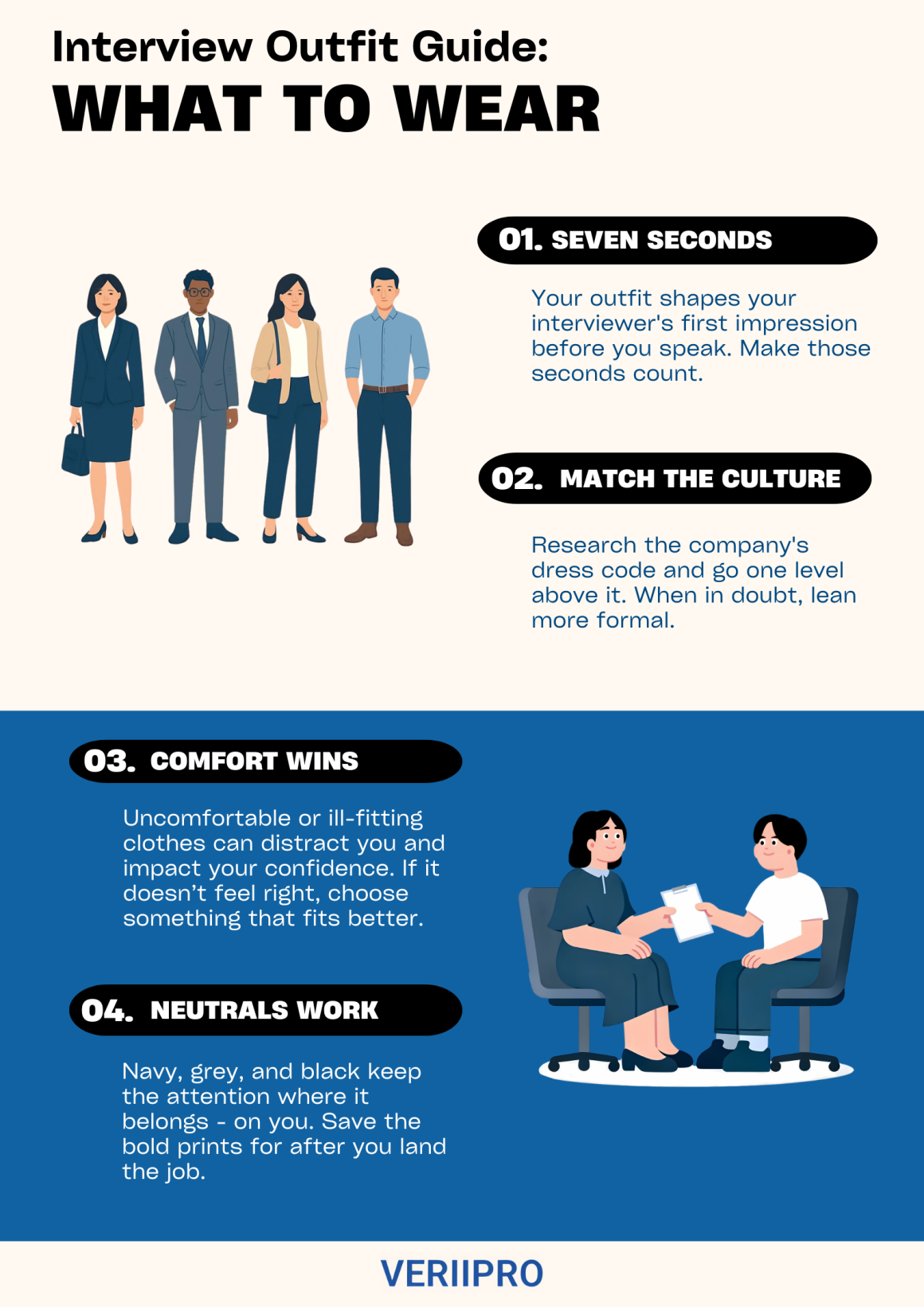
- Dress One Level Above – Aim slightly more formal than the company’s daily dress code. When in doubt, lean conservative.
- Prioritize Comfort – Wear clothes you can actually move and breathe in. Fidgeting with a tight collar or tugging at a hem is distracting for everyone.
- Keep It Clean and Neat – Wrinkle-free and well-fitted is non-negotiable. A lint roller and a quick press the night before go a long way.
- Choose Neutral Colors – Navy, charcoal, grey, black, and white keep the focus on you, not your outfit. Save the bold prints for another day.
- Minimal Accessories – A watch, simple earrings, or a classic belt. Flashy jewelry or multiple bangles can be a distraction.
Types of Interview Attire Based on Workplace
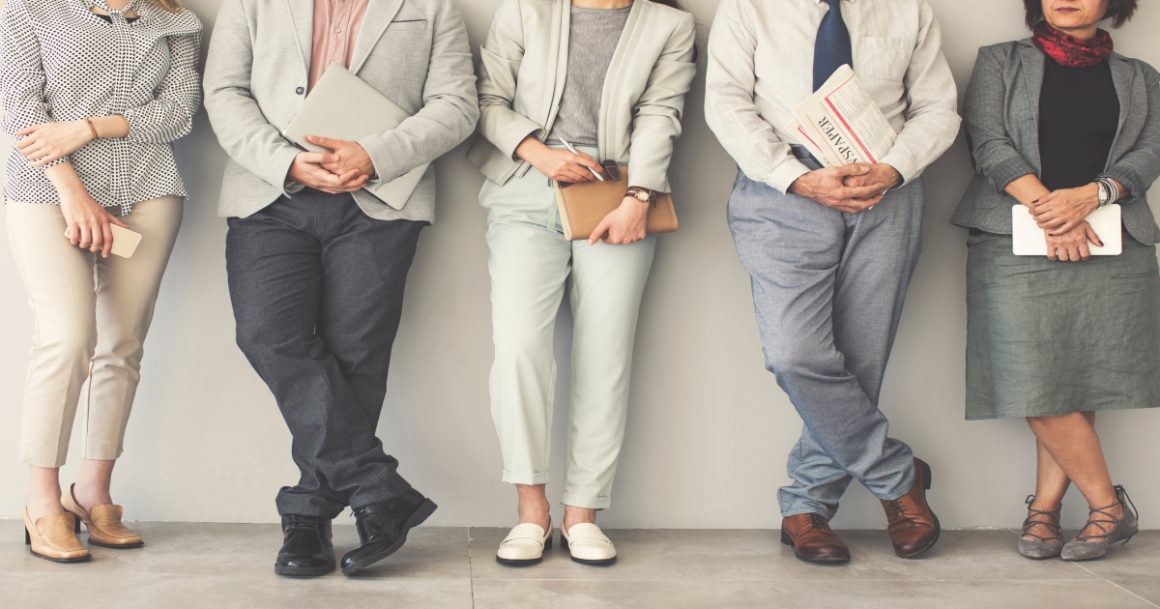
Not every interview calls for a three-piece suit. Match your interview wear to the environment you’re hoping to work in.
- Formal Attire – Suits, blazers, and ties are standard for banking, law, finance, and corporate roles. This is the classic definition of formal interview attire.
- Business Casual – Smart trousers or chinos, a collared shirt or blouse, and a clean blazer. A solid choice for office roles in tech, marketing, and mid-size companies.
- Casual Workplace – Neat jeans (dark wash, no rips), a polished top, or a structured casual dress. Still tidy – just a little more relaxed.
- Creative Roles – Modern interview outfits in creative fields can include more personality – an interesting color, a statement piece – while staying professional overall.
- Industry-Specific Attire – Fitness and healthcare roles may have practical considerations. Research the company’s culture before deciding.
What to Wear to an Interview for Men
When it comes to what to wear for an interview, male candidates often overthink it. Keep it simple and sharp.
- Formal shirt (white or light blue are reliable classics) and well-fitted trousers
- Blazer or full suit – a dark navy or charcoal suit is hard to beat
- Tie (optional for most roles, but a good call for formal corporate interviews)
- Polished leather dress shoes that match your belt
- Clean, well-groomed appearance – trimmed beard, neat hair, clean nails
What to Wear to an Interview for Women
Figuring out what to wear to an interview as a female candidate comes down to fit, professionalism, and a little personal confidence.
- A well-fitted blouse, tailored button-down, or structured formal top
- A blazer or cardigan adds polish without being overdressed
- Tailored trousers, a pencil skirt, or a professional shift dress – all work equally well
- Closed-toe heels, flats, or loafers – choose comfort over height
- Minimal jewelry and makeup; clean, polished, understated
What Not to Wear to an Interview
Some things are worth spelling out. Avoid these regardless of role or industry.
- Overly casual clothing – Flip-flops, ripped jeans, graphic tees, and hoodies signal that you didn’t take the interview seriously.
- Loud colors or heavy patterns – Bold florals or bright orange can overpower your presence and become the focus of the conversation for the wrong reasons.
- Strong perfumes or colognes – Scent sensitivity is common. Keep fragrance to a minimum or skip it entirely.
- Excessive accessories – Stacking bracelets or oversized earrings can be distracting. Less is more in an interview setting.
- Ill-fitting or wrinkled clothes – A great outfit worn badly still looks unprepared. Fit and condition matter just as much as style.
How to Choose the Right Outfit for Your Interview
There’s no one-size-fits-all answer, but there is a decision process that helps. Before you open your closet, think through the following:
- Research company dress code – Check their website, social media, or Glassdoor reviews. How do current employees dress day-to-day?
- Consider the job role and industry – A law firm interview and a startup interview are very different contexts, even if a suit is acceptable at both.
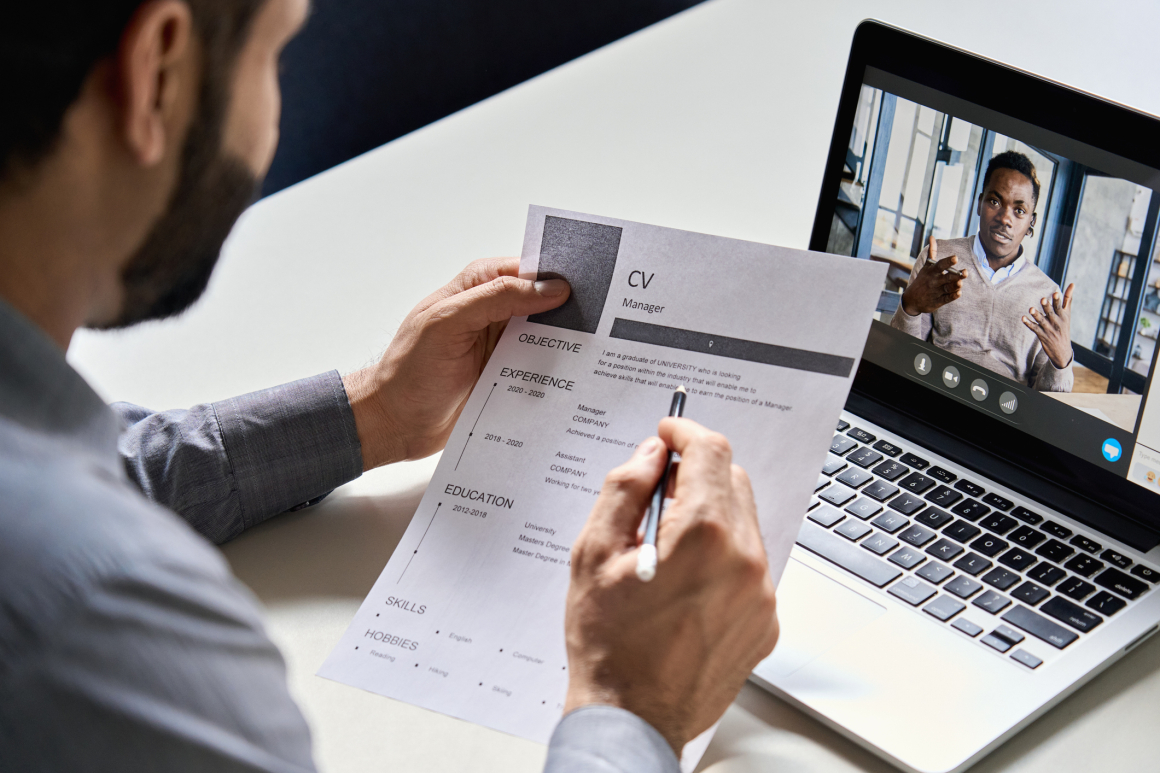
- Check interview format – Online vs. in-person changes things. You still need to dress professionally for video calls, but the full in-person pressure is different.
- Prepare your outfit in advance – Lay it out the night before. You do not want to discover a missing button at 7 a.m.
- Test comfort and fit – Sit in your outfit. Move around. If something pinches, pulls, or rides up, swap it out now.
Interview Outfit Tips for Virtual Interviews
Just because you’re at home doesn’t mean the rules change. Dress just as carefully for a video call as you would walking into an office.
- Dress professionally from head to toe – yes, even the pants. You never know when you’ll need to stand up.
- Solid colors photograph better on camera than busy patterns or fine stripes.
- Avoid distracting virtual backgrounds. A clean, neutral real background almost always reads better.
- Good grooming still applies – camera resolution is getting sharper every year.
- Set up proper lighting. Natural light from the front is the easiest win. Avoid backlit windows.
Common Interview Dressing Mistakes to Avoid
- Overdressing or underdressing – Both send the wrong signal. Wearing a full suit to a very casual startup is as jarring as showing up in sweats to a corporate role.
- Ignoring company culture – Doing zero research on how the company dresses is a missed opportunity to show you’ve paid attention.
- Wearing uncomfortable outfits – Discomfort affects your focus, posture, and energy. If you’re tugging at something constantly, it shows.
- Poor grooming – Clothes can be great but grooming still matters. Clean hair, trimmed nails, and fresh breath are basics.
- Last-minute outfit decisions – Scrambling the morning of adds stress. Decide the night before, try it on, check the mirror. Done.
How Dressing Well Boosts Confidence and Performance
There’s a reason people talk about dressing for the job you want. Researchers call it “enclothed cognition” – the idea that clothing influences how we think and feel about ourselves. When you put on clothes you feel good in, your posture opens up. Your voice carries differently. You’re less worried about how you look and more focused on the actual conversation. Interviewers pick up on that kind of presence. Walking in with a great interview outfit doesn’t guarantee the job, but it absolutely clears mental space so you can focus on giving your best answers.
Final Checklist Before Your Interview
Run through this before you head out the door:
- Outfit is clean and freshly ironed or steamed
- Shoes are polished and in good condition
- Accessories are minimal and tasteful
- Hair is neat and grooming is on point
- Clothes fit well and are comfortable to sit in